
By 2026, Malaysian consumers are no longer making buying decisions on a single social media platform.
Instead, purchasing behaviour is shaped by multiple social media platforms, each playing a distinct role at different stages of the decision-making journey. Consumers move seamlessly from one social media platform to another as they discover brands, evaluate trust, compare options, and finally decide to purchase.
A typical journey may begin with brand discovery on social media platforms such as TikTok, followed by review research on Xiaohongshu (XHS), price and credibility checks on Google, and eventual conversion through Facebook or WhatsApp. For marketers, understanding how each social media platform influences consumer intent has become more important than ever.
This article breaks down how Malaysian consumers move from scrolling to buying in 2026 across different social media platforms, and how brands should structure their marketing strategies accordingly.
Image source: Socialchamp
The Reality: Buying Decisions in Malaysia Are Non-Linear
Unlike the traditional funnel model, modern Malaysian consumers do not follow a straight path to purchase. Instead, they move fluidly between various social media platforms, depending on their mindset and level of intent.
Malaysian consumers typically:
Discover brands through short-form content on social media platforms
Seek social proof and peer reviews
Compare pricing, credibility, and brand presence
Delay purchasing decisions until trust is established
This behaviour explains why relying on a single social media platform is no longer effective. Successful brands in Malaysia build ecosystem-based, multi-platform strategies, rather than isolated campaigns focused on only one channel.
Stage 1: Discovery — TikTok & Instagram Reels Drive Awareness
🎯 Consumer mindset
“This looks interesting. I didn’t know this brand before.”
📌 Dominant social media platforms
TikTok
Instagram Reels
In 2026, short-form video remains the primary discovery tool across social media platforms in Malaysia. Algorithms actively push content to users even if they do not follow the brand, making TikTok and Instagram Reels highly effective for first impressions.
At this stage, discovery content is not designed to sell. Consumers are still exploring and forming awareness, not making purchasing decisions.
What works on discovery-focused social media platforms:
Problem-based hooks
Relatable, everyday scenarios
Lifestyle-driven visuals
Soft brand exposure without hard selling
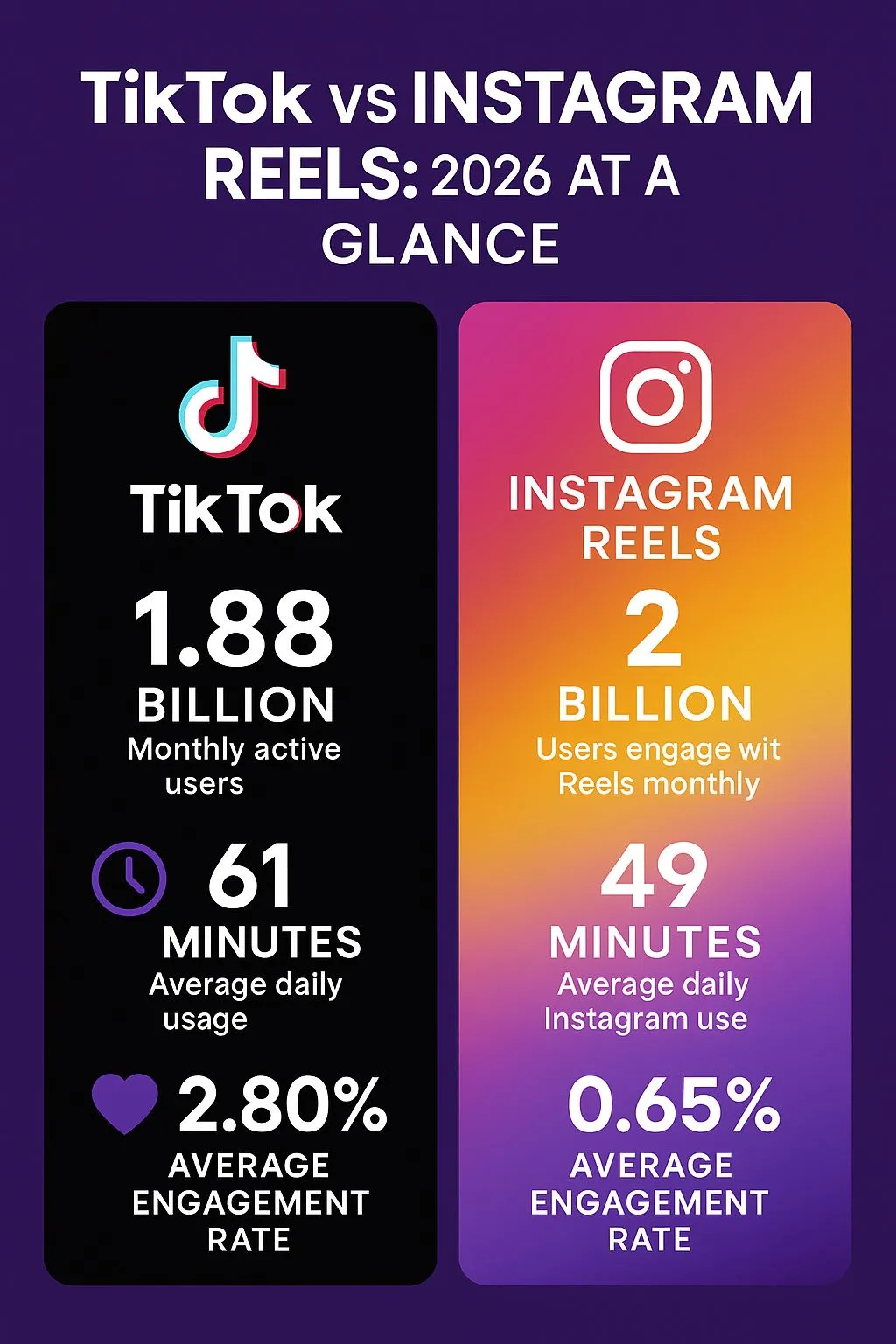
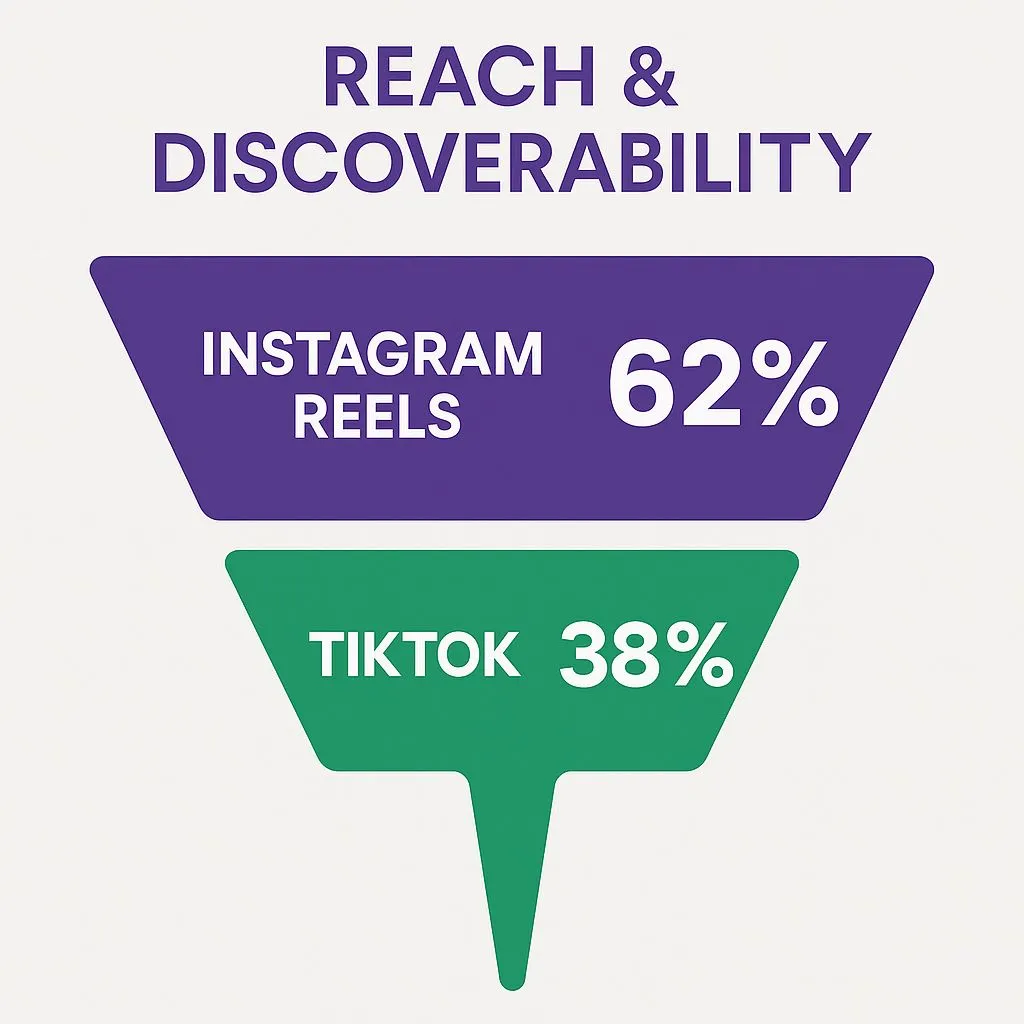
Image source: Phantomdigital
Stage 2: Consideration — Xiaohongshu (XHS) Builds Trust and Engagement
🎯 Consumer mindset
“Is this legit? Has anyone tried this?”
📌 Dominant social media platform
Xiaohongshu (XHS)
XHS plays a critical role in the Malaysian Chinese consumer segment. Unlike other social media platforms, XHS functions primarily as a research, validation, and trust-building platform, rather than a conversion-driven channel.
Consumers use XHS to:
Read in-depth reviews
See real-life product or service usage
Compare alternatives
Assess brand authenticity
Brands that treat XHS like a traditional advertising social media platform often struggle. Instead, what performs best includes:
Honest, experience-based storytelling
User-generated content
Educational and review-style posts
This stage focuses on engagement and credibility, not immediate conversion.
Stage 3: Validation — Google Search Confirms the Decision
🎯 Consumer mindset
“Let me check properly before I decide.”
📌 Supporting platform (beyond social media platforms)
Google Search
While Google is not a social media platform, it plays a critical validation role after consumers interact with multiple social media platforms. By this stage, Malaysian consumers already have intent and are actively searching for confirmation.
Common searches include:
Brand names
Reviews and testimonials
Pricing information
Comparisons
Business location or contact details
This is why SEO remains one of the most cost-effective strategies in Malaysia. A strong Google presence reinforces trust built earlier through social media platforms.
Stage 4: Conversion — Facebook, WhatsApp & Retargeting Close Sales
🎯 Consumer mindset
“Okay, I’m ready. Where do I buy?”
📌 Dominant social media platforms
Facebook
WhatsApp
Retargeting ads
Despite the rise of newer social media platforms, Facebook remains a powerful conversion channel in Malaysia, especially when combined with retargeting strategies and WhatsApp integration.
Why these social media platforms work well for conversion:
Familiar and trusted interface
Advanced targeting capabilities
Simple enquiry and messaging flow
Trust built through repeated exposure
At this stage, Malaysian consumers expect:
Clear offers
Simple and direct CTAs
Fast response times
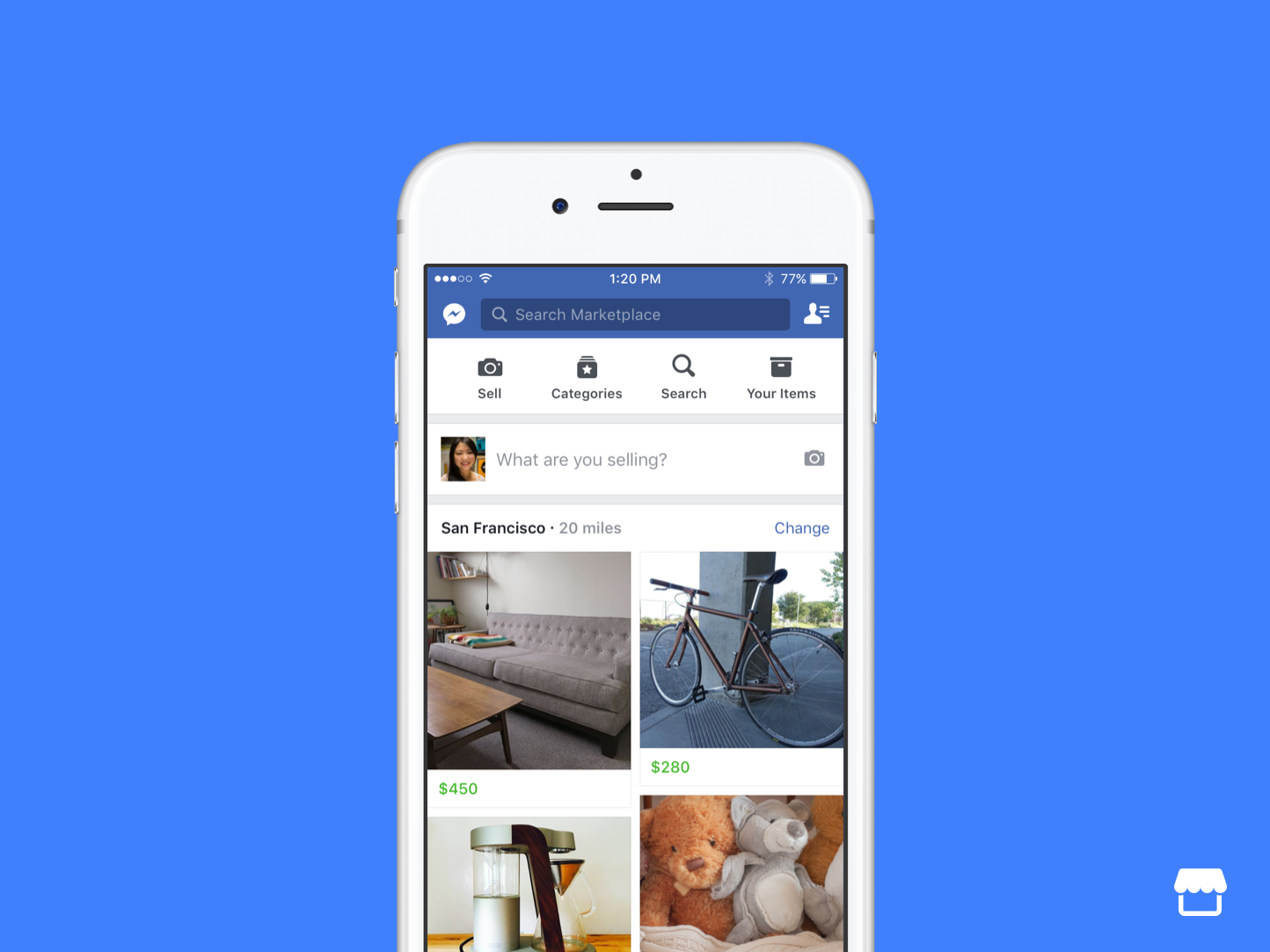
Image source: META
Stage 5: Post-Purchase — Social Proof Fuels the Next Buyer
After purchase, Malaysian consumers often return to social media platforms to:
Share their experiences
Leave reviews
Post on XHS or other platforms
This post-purchase content becomes the starting point of the next consumer’s buying journey, creating a continuous loop of influence across social media platforms.
Brands that ignore post-purchase engagement miss a valuable opportunity to generate organic trust and long-term growth.
What This Means for Marketing Strategy in Malaysia (2026)
In 2026, effective marketing in Malaysia must be:
Multi-platform, not dependent on a single social media platform
Funnel-driven, not trend-driven
Trust-based, not purely promotional
Each social media platform serves a different psychological role:
TikTok → Discovery
XHS → Engagement and trust
Google → Validation
Facebook & WhatsApp → Conversion
Brands that attempt to force conversion too early on the wrong social media platform often lose potential customers before trust is built.
Frequently Asked Questions (FAQ)
Is one social media platform enough to convert Malaysian consumers?
No. Malaysian consumers typically interact with multiple social media platforms before making a purchase decision.
Is XHS more important than Facebook in Malaysia?
They serve different purposes. XHS focuses on engagement and trust, while Facebook is stronger for conversion.
Does SEO still matter in 2026?
Yes. Google remains a critical validation step after consumers engage with social media platforms.
Can SMEs apply this multi-platform strategy?
Yes. Even small businesses benefit from aligning each social media platform with consumer intent.
Conclusion: Why Strategy Beats Tactics in 2026
Understanding how Malaysian consumers move from scrolling to buying across each social media platform is no longer optional — it is the foundation of effective digital marketing.
Brands that rely on a single social media platform or chase trends without a structured strategy will struggle to convert attention into sales. In contrast, brands that align social media platforms with consumer intent build trust, reduce friction, and achieve sustainable growth.
Yes. SEO remains one of the most cost-effective strategies when executed by a professional online marketing agency in Malaysia.
👉 Contact Mayin Digital Marketing today to build a full-funnel digital strategy that aligns with how Malaysian consumers actually buy in 2026.